
Property Insurance Claims
Theft & Vandalism
Theft, burglary, and vandalism can leave property owners dealing with stolen belongings, property damage, business interruptions, and unexpected repair costs. Whether the loss involves a home, business, condominium, or rental property, navigating the insurance claims process can be complex and overwhelming.
Recovery Insurance Adjusters helps policyholders document damages, evaluate coverage, and pursue fair settlements following theft and vandalism-related losses.
Hurricane Damage Can Affect
Every Part of Your Property
Theft and vandalism losses often involve more than the value of
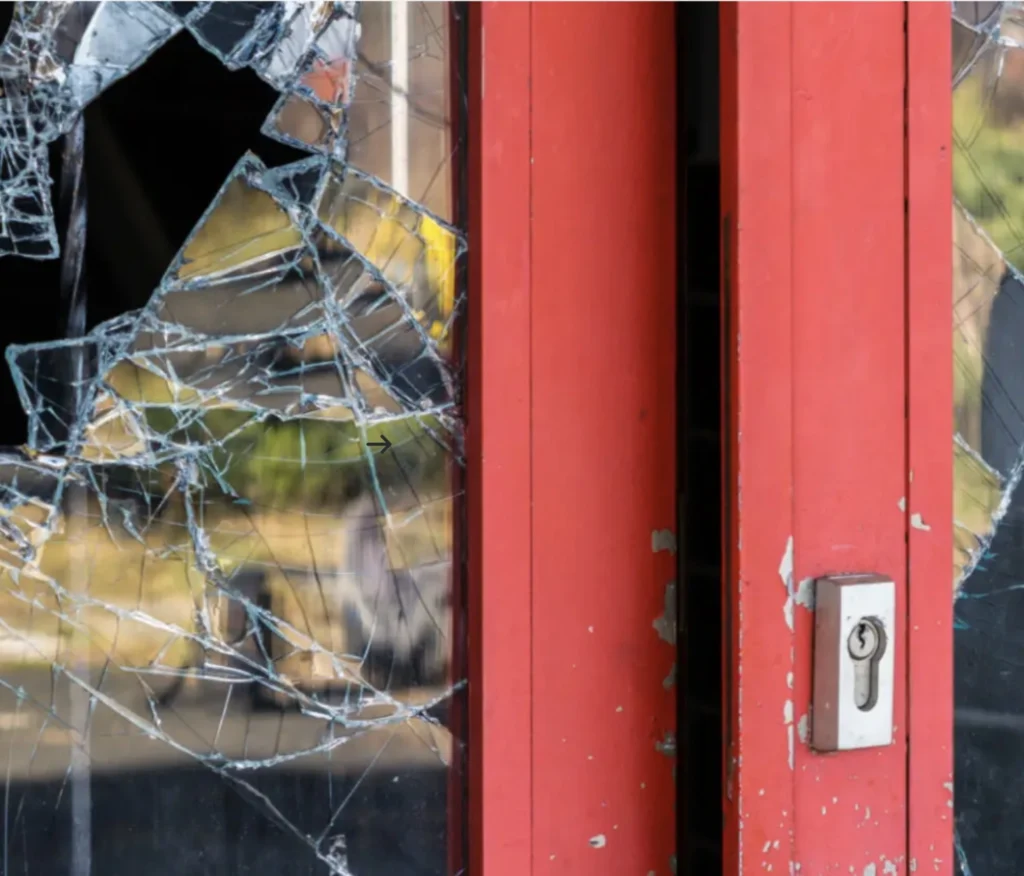
stolen property. Damaged doors, broken windows, forced entry
repairs, vandalized interiors, and stolen business equipment may
all contribute to the overall claim.
Properly documenting both property damage and stolen items
can play a critical role in achieving a fair settlement.
Common Theft & Vandalism Claims We Help With:
- Business Property Claims
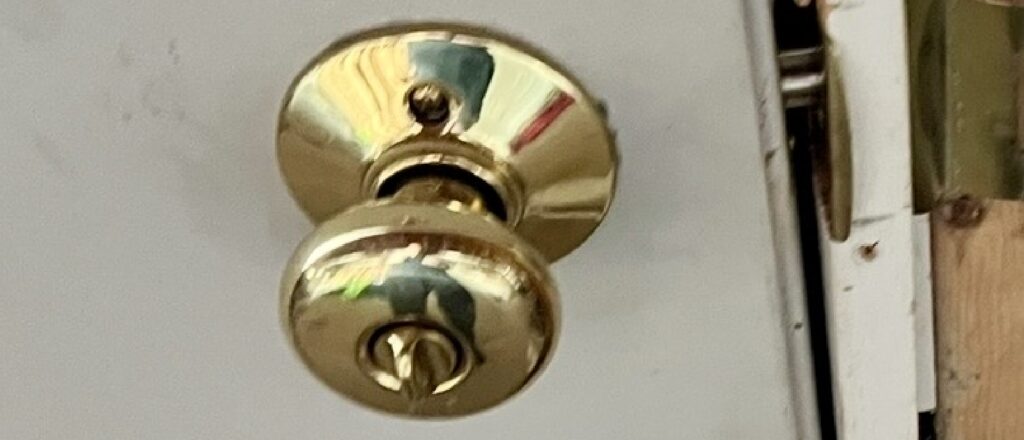
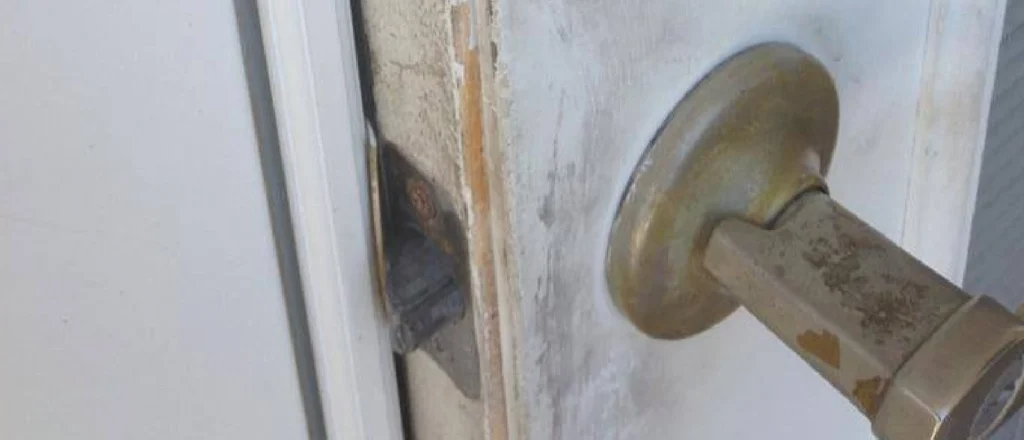
- Forced Entry Damage
- Stolen Personal Property
- Stolen Business Equipment
- Commercial Theft Losses
- Vandalized Buildings
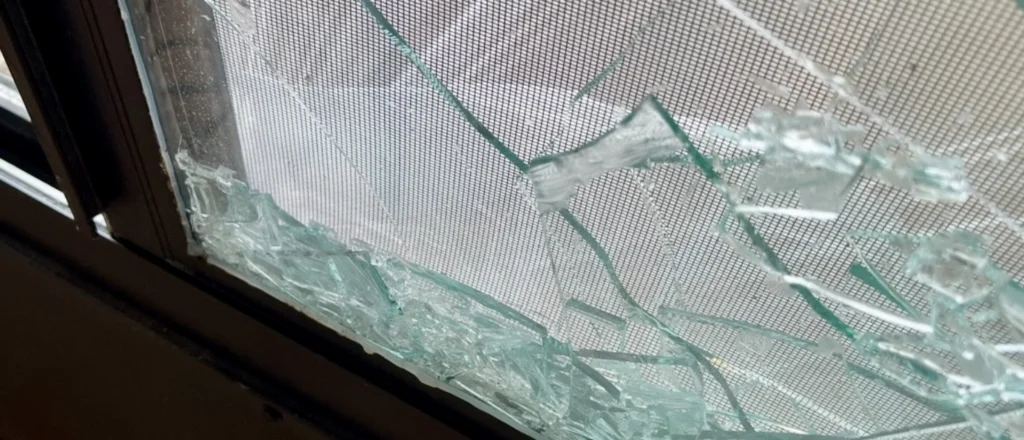
- Broken Windows & Doors
- Graffiti Damage
- Damage to Fixtures & Equipment
- Condominium & HOA Property Damage
Talk With a Theft & Vandalism Claims Expert
Recovering after theft or vandalism can be stressful and disruptive. Recovery Insurance Adjusters helps property owners document losses, prepare insurance claims, and pursue fair settlements for covered damages.
FAQs
Theft & Vandalism Claim
Frequently Asked Questions
Many homeowners insurance policies provide coverage for theft of personal belongings, both inside the home and, in some cases, while items are away from the property. Coverage limits, deductibles, and exclusions vary by policy. Certain high-value items such as jewelry, collectibles, firearms, or electronics may have separate coverage limits or require additional endorsements.
In many cases, homeowners and commercial property insurance policies cover vandalism damage, including broken windows, damaged doors, graffiti, and other intentional property destruction. Coverage depends on the specific policy and circumstances of the loss. Prompt documentation and reporting can help support a vandalism claim.
While requirements vary by insurer, filing a police report is often one of the first steps after discovering theft or vandalism. Insurance companies frequently request a copy of the report as part of the claims process. Reporting the incident promptly can help establish a record of the loss and support your claim documentation.
Create a detailed inventory of stolen items that includes descriptions, serial numbers, purchase dates, estimated values, and any available receipts or photographs. If possible, gather credit card statements, warranty records, product registrations, or other documentation that helps verify ownership. The more evidence you can provide, the stronger your claim may be.
Receipts can be helpful, but they are not the only way to prove ownership. Photographs, bank statements, credit card records, warranty information, user manuals, appraisals, and product registration records may all help support your claim. A public adjuster can help organize available documentation and present the loss to the insurance company.
Commercial property insurance policies often provide coverage for theft-related losses involving business property, equipment, inventory, and certain business assets. Coverage depends on the policy terms, limits, and any applicable exclusions. Business owners should review their policy carefully to understand what property is covered and under what circumstances.
You may take reasonable steps to secure the property and prevent additional damage, such as boarding broken windows, replacing locks, or securing entry points. However, it is important to thoroughly document all damage with photos and videos before repairs begin. Keep all receipts and records related to temporary repairs or security measures.